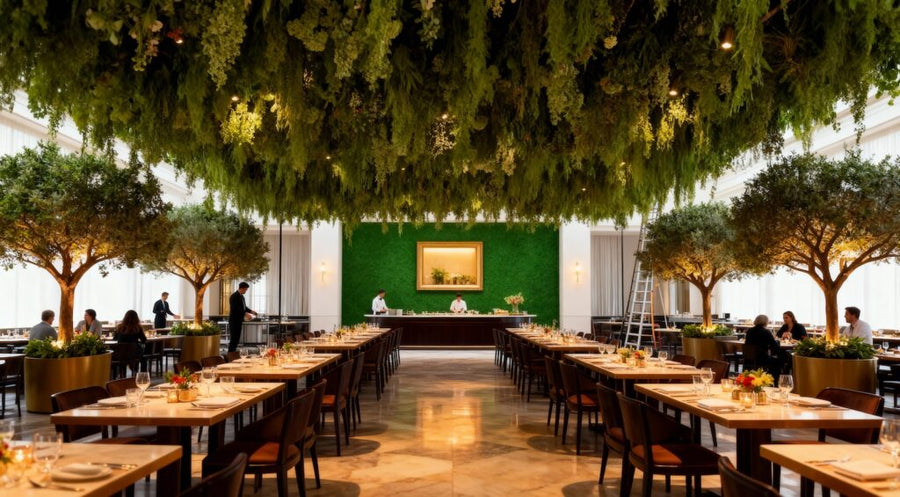
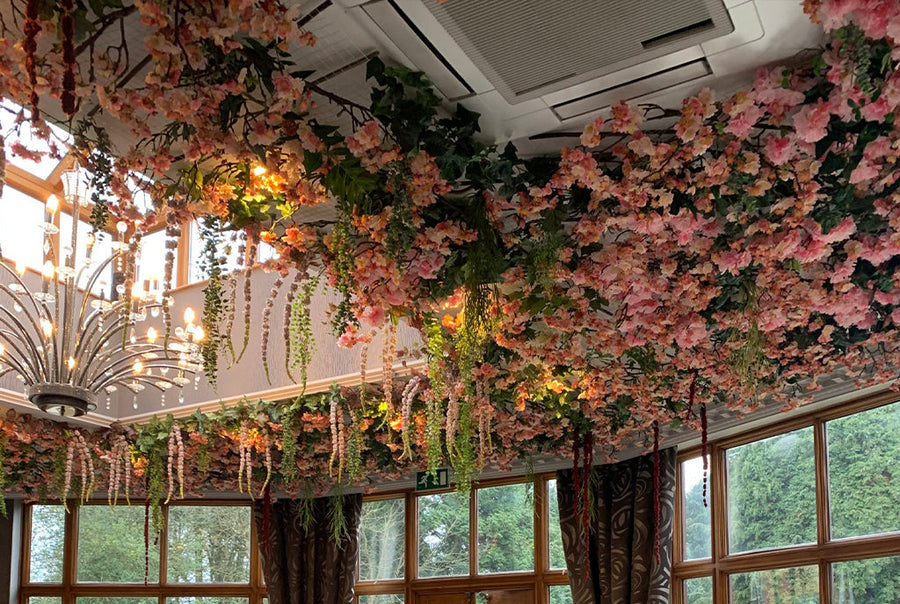
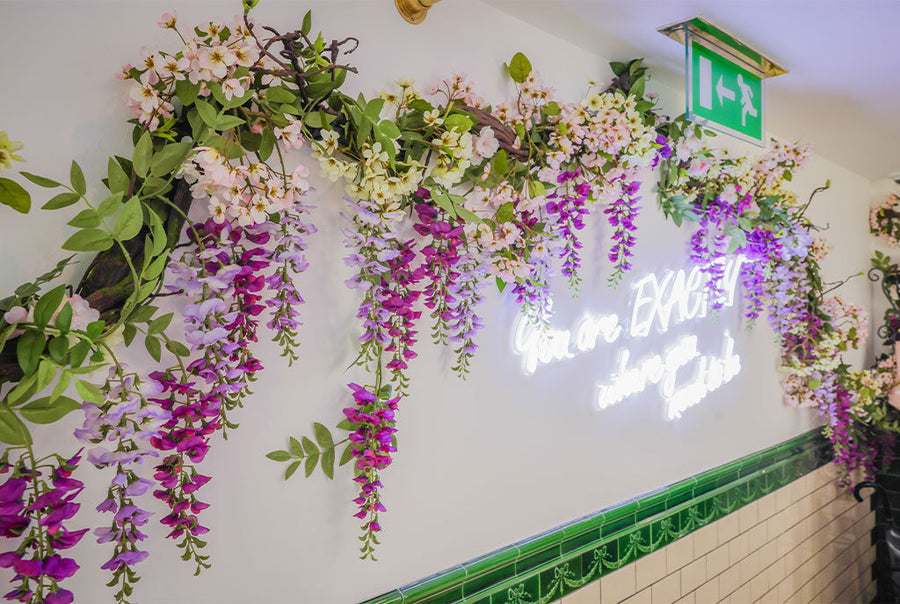
As a seasoned interior designer with a passion for staying at the forefront of artificial trees design trends, I've had the pleasure of witnessing the ever-evolving landscape of interior design. One exciting development that has caught my attention in recent years is the increasing use of artificial trees in business-to-business (B2B) interior design. These lifelike creations are rapidly becoming essential elements in transforming commercial spaces into inviting, aesthetically pleasing environments.
Realistic trees, stunning and with minimal maintenance requirements, are revolutionising B2B interior design. In this article, I'll delve into the emerging trends and technologies in artificial tree design and explore their potential impact on the future of interior design in business settings. To provide a more comprehensive view, I will also draw insights from Sharon, an expert in artificial trees from Demmerys.
The Rise of Artificial Trees in B2B Interior Design
Faux trees have come a long way from the tacky, plastic representations of nature that used to populate waiting rooms and office lobbies. Today, they are sophisticated pieces of art that bring a touch of nature indoors. Businesses are increasingly turning to artificial trees to elevate their interior design for several compelling reasons.
- Aesthetic Appeal: Artificial trees, when designed and crafted with precision, look remarkably lifelike. The attention to detail, from the texture of the leaves to the realism of the trunk and branches, is extraordinary. These trees introduce an element of natural beauty that can transform a sterile corporate environment into a warm, inviting space.
- Low Maintenance: One of the primary challenges of incorporating real trees into interior design is the care they demand. Live trees require watering, pruning, and monitoring for pests and diseases. Artificial trees, on the other hand, are virtually maintenance-free.
- Versatility: Our bespoke trees are incredibly versatile in design. They can be custom-made to fit the size and style of any interior space. Whether you want a towering, majestic oak tree or a small, delicate bonsai, the possibilities are endless.
- Sustainability: With an increasing focus on sustainability, businesses are more inclined to choose artificial trees that are made from eco-friendly materials. These trees can be reused in different interior designs, reducing waste.
- Health Benefits: Artificial trees are hypoallergenic and do not harbour allergens like real trees might.
- Customization: All trees can be designed with a particular theme or branding in mind. Whether it's the colours of their logo, the shape of a particular tree, or a specific style, our bespoke trees can be customised to align with the client's brand and vision.
Emerging Trends in Artificial Tree Design
To gain a deeper understanding of the emerging trends in faux tree design and how they are influencing B2B interior design, I reached out to Sharon from Demmerys. Sharon explained that faux tree design is continuously evolving, influenced by technological advancements, changing consumer preferences, and the demand for sustainable solutions. Some of the prominent emerging trends include:
- Integration of Smart Technologies: Features such as LED lighting and even scent diffusion can further enhance the sensory experience of being around these trees.
- Biophilic Design: The concept of biophilic design, which seeks to connect people with the natural world, is gaining traction in B2B interior design. Artificial trees are a key element in this approach.
- Mixing Real and Artificial Elements: Some designers are experimenting with a combination of real and artificial elements, combining the authenticity of real plants with the low maintenance of artificial trees.
- Sustainability: There is a growing emphasis on creating artificial trees from recycled or sustainable materials.
- Multi-Functional Trees: Businesses are increasingly seeking artificial trees that serve multiple functions, such as built-in seating or shelving.
- Artistic Expression: Designers are exploring abstract and artistic interpretations, creating unique and striking pieces that serve as conversation starters and memorable focal points.
The Impact on B2B Interior Design
- Enhanced Employee Well-Being: Exposure to natural elements, even artificial ones, can reduce stress, enhance creativity, and boost productivity.
- Unique Branding Opportunities: A custom-designed tree that reflects the company's identity can serve as a memorable symbol of the brand.
- Adaptive Design: As businesses evolve and their needs change, artificial trees can be repositioned or replaced with minimal effort.
- Sustainable Practices: Businesses that commit to sustainable practices in their interior design reduce their environmental footprint and convey a strong commitment to responsible business practices.
- Cost-Effective and Low Maintenance: The absence of the need for constant care, watering, and maintenance makes artificial trees a practical, long-term investment.
Sharon from Demmerys emphasises the importance of keeping an open mind when considering artificial trees in interior design: "Artificial trees are not just static decorations. They are living sculptures that can infuse life into any space. The fusion of nature with technology, sustainability with artistry, and functionality with aesthetics is what makes artificial trees an exciting frontier in B2B interior design."
The future of B2B interior design is undoubtedly greener, more vibrant, and filled with endless possibilities, thanks to the ever-growing presence of artificial trees.